
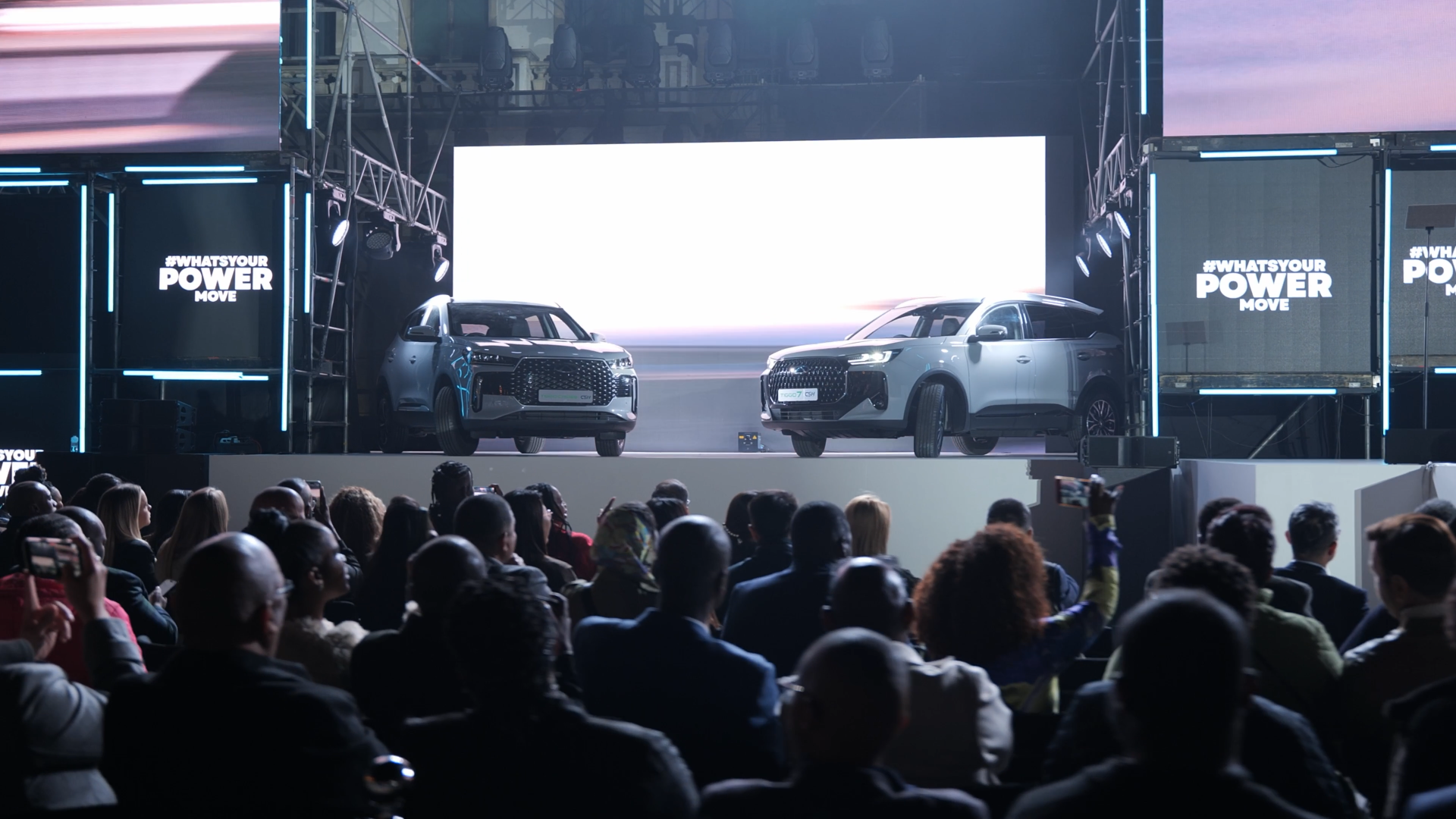
Trucks at the venue. Cameras rolling. And in between — a production operation that most audiences never see and most production companies cannot replicate.
For most people watching a concert — whether they are in the front row or streaming from another country — the production is invisible. The cameras are just there. The screens are just working. The live feed is just clean and uninterrupted. What they do not see is the precision operation that makes all of that possible: the load-in, the cable runs, the camera placement, the vision mixer calibration, the talkback system, the encoder configuration, and the hundred small decisions made before a single frame of live footage is captured.
This is what a Mushroom Motion concert day looks like from the inside.
Why Load-In Efficiency Is a Production Quality Signal
In live event production, how a crew arrives tells you everything about how they will perform when the cameras go live.
A disorganised load-in means a rushed setup. A rushed setup means untested equipment. Untested equipment means technical failures during a show that cannot be paused or restarted.
As XTIX’s concert operations guide explains, a solid production schedule maps out every task from the first truck rolling in to the last piece of equipment being packed — it is the difference between organised execution and actual chaos.
For Mushroom Motion, load-in efficiency is not a logistical convenience. It is a production philosophy. A crew that deploys a full multicam broadcast infrastructure well ahead of show time does so because every role is defined, every cable is labelled, every camera position is pre-planned, and every piece of equipment has been tested before it arrived at the venue. The speed is a consequence of the preparation, not a shortcut around it.
This matters commercially as well. Faster load-in means lower venue overtime costs for promoters and event organisers. It means the crew is not still setting up when sound check should be happening. And it means the production team has time to test, rehearse camera movements, and iron out any technical issues before doors open — rather than scrambling to fix problems while the audience is filing in.
The Mushroom Motion Concert Day: Phase by Phase
Phase 1 — Arrival and Site Survey
Trucks arrive at the venue loading dock. Before a single cable is pulled, the technical director walks the stage, the camera positions, and the OB (outside broadcast) area. This is not a casual walkthrough — it is a final confirmation that the pre-planned camera positions work in the actual space, that power and data drops are where they were agreed, and that any venue-specific variables — sight lines, rigging restrictions, audience barriers — are accounted for.
Issues discovered early in the day can be solved calmly. Issues discovered close to showtime become a crisis.
Phase 2 — Infrastructure Build
Cables run first. In a professional multicam broadcast setup, this means SDI video lines, fibre runs where distance demands it, talkback cables for the intercom system, and power distribution to every camera position. For larger shows, this infrastructure can involve hundreds of metres of cabling across a venue floor, threaded through audience barriers, taped safely across walkways, and terminated at both ends before any camera is placed on it.
The OB area — where the vision mixer, monitoring racks, and encoding equipment are positioned — is built simultaneously. This is the nerve centre of the entire broadcast operation. Every camera feed terminates here. Every switching decision is made here. Every live stream output originates here.
Phase 3 — Camera Placement and Patching
Cameras go to their positions once the infrastructure is confirmed live. Each camera operator places their rig, confirms their feed is visible on the monitoring multiview at the OB desk, and dials in their lens and exposure settings for the lighting state they have been briefed on.
For a standard concert multicam deployment, this includes the wide stage camera, medium cameras tracking the lead performer and key band members, close-up cameras on faces and instruments, and where applicable, a roaming camera for crowd and atmosphere coverage.
As Quince Imaging’s broadcast production guide notes, a successful live event broadcast requires thorough testing and rehearsal before the event — and the camera patching phase is where that testing happens. Every feed is verified. Every return monitor is confirmed. Every talkback channel is tested.
Phase 4 — Vision Mixer Setup and Show Prep
With all cameras confirmed, the vision director takes over the OB desk. This involves setting up the switcher for the show’s specific layout: which camera is on which input, what the cut logic is for different moments in the show, how the IMAG screens inside the venue are being fed, and how the live stream encoder is receiving and outputting the programme feed.
This phase also includes a colour match across all cameras — ensuring that the wide shot and a close-up cut together seamlessly, rather than with a jarring difference in colour temperature or exposure. In a multicam broadcast, visual consistency between cameras is what makes a cut feel invisible to the audience.
Phase 5 — Sound Check Coverage and Final Tests
As the artist’s sound check begins, the multicam crew runs a live rehearsal of the show. Camera operators move through their planned shots. The vision director makes live cuts. The technical director monitors every output — programme feed, individual camera ISOs, live stream encoder bitrate, IMAG screens.
This is the last opportunity to identify and resolve any issue before the audience is present. By the time doors open, the broadcast infrastructure has already been through a full dress rehearsal. There is no going live cold.
What Makes This Possible: Owned Equipment and Standardised Workflow
The ability to deploy at this pace and to this standard consistently relies on two things: equipment that is owned, maintained, and intimately understood by the crew operating it, and a workflow that has been refined across hundreds of productions.
Music Matters Productions’ load-in efficiency guide identifies the same principle: efficiency comes from teamwork, and the best crews operate like well-oiled machines — with every detail mapped out before anyone arrives at the venue.
Mushroom Motion’s production equipment — broadcast-grade cameras, vision mixers, fibre infrastructure, wireless intercom, and encoding systems — is maintained to broadcast standard between every show. When a camera arrives at a venue, it works. When a cable is patched, it carries a clean signal. When the encoder goes live, the stream is stable.
This is the operational foundation that allows our crew to be cameras-rolling well ahead of doors — and broadcast-quality from the first frame.
From Concerts to Conferences: The Same Standard Applies
The workflow described above was built for concert production. But the discipline — the pre-planning, the infrastructure-first approach, the testing before the audience arrives — applies equally to every live production Mushroom Motion delivers.
Our conferences and corporate events production service applies the same broadcast rigour to keynotes, AGMs, product launches, and hybrid events. The same live switching discipline that directs a Beyoncé concert is applied to a CEO’s keynote for 500 delegates — because in both environments, there are no second takes, and the production quality reflects directly on the client.
Whether it is a 60,000-seat stadium show or a 200-person conference with a live stream to remote offices, the Mushroom Motion standard does not change. Load-in is disciplined. Setup is tested. And when cameras go live, the broadcast is ready.
The Proof Is in the Credits
Beyoncé. Sting. Travis Scott. Kevin Hart. The Backstreet Boys. The Lumineers.
These are not names we include to impress. They are the evidence that our load-in-to-live process works at the highest level of live production in the world. Every one of these shows ran through the same workflow described above. Every one was delivered to broadcast standard, on schedule, without incident.
As DMV Productions notes in their multicam production overview, multicam production offers built-in redundancy — if one camera falters, another is rolling. For our crew, that redundancy is not just technical. It is operational. Every role has a backup. Every cable run has a tested alternative. Every critical piece of equipment has a contingency.
You can explore the full scope of our live production services and our recent project work to see the range and scale of productions we deliver across South Africa and the African continent.
Ready to Plan Your Next Live Production?
Whether you are a concert promoter, an event production company, or a brand planning a live activation — Mushroom Motion delivers broadcast-quality multicam production from load-in to live, anywhere in South Africa and across the continent.
Get in touch with the Mushroom Motion team →
Tell us about your show. We will bring the crew, the infrastructure, and the broadcast standard it deserves.