
· 8 min read
What to Expect From a Broadcast Camera Crew at Your Live Event
Crew roles, pre-production, on-the-day process and the warning signs — what a professional broadcast camera crew actually does at a live event in South Africa.
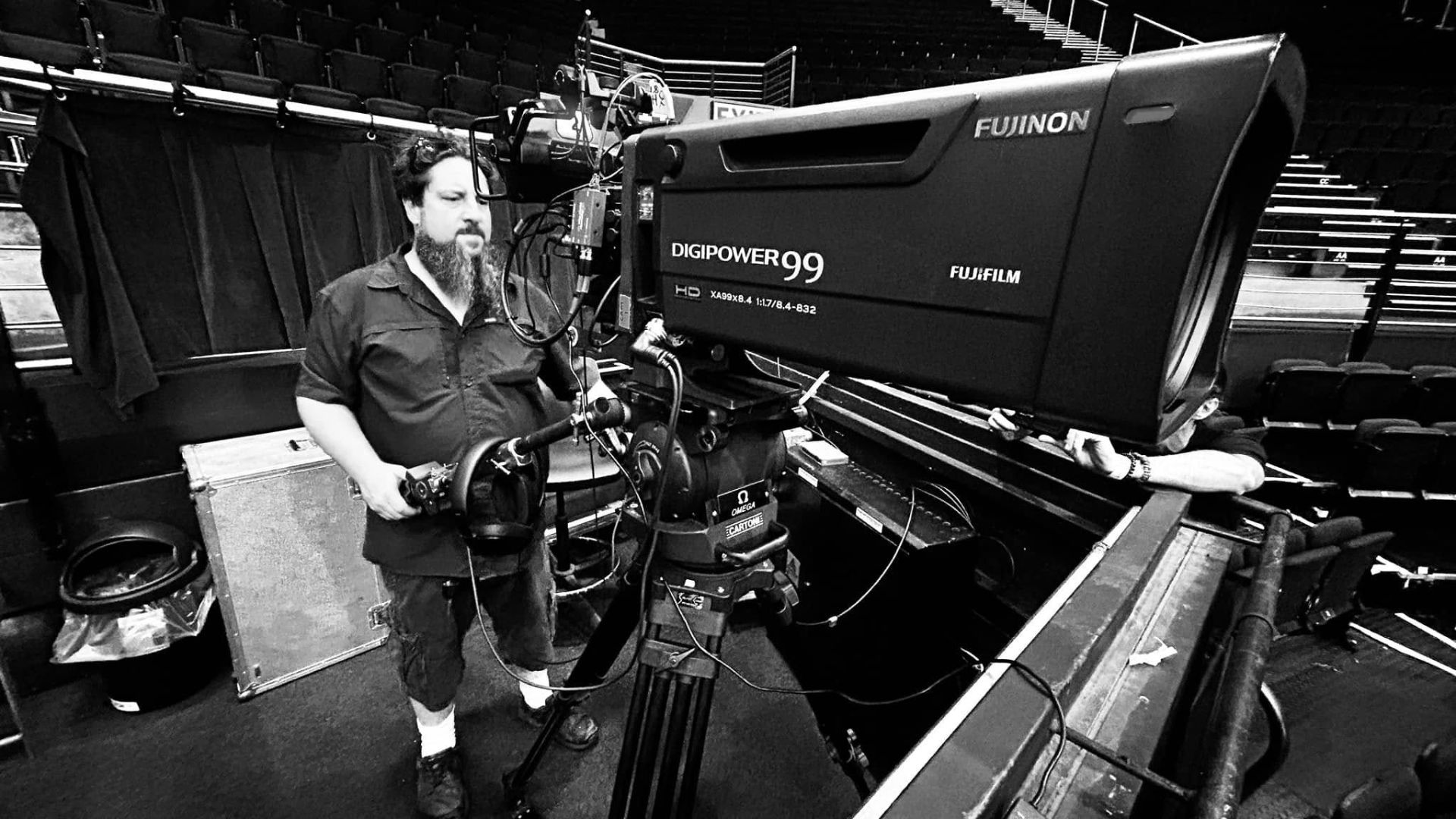
Most event planners have never worked with a broadcast camera crew in South Africa before. They know they need video coverage. They know it should look professional. But what a broadcast camera crew actually does on the day, who is there, what each person's role is, how the team fits into the event without disrupting it, is rarely explained upfront.
This guide covers all of it. By the end, you will know exactly what to expect from a professional broadcast camera crew at your live event, and what the warning signs are when a crew is not operating at the standard your event requires.
What a Broadcast Camera Crew Actually Is
A broadcast camera crew is not a single videographer with a camera. It is a coordinated team of specialists, each responsible for a specific technical function, working together as a unified production unit. The crew size scales with the event, but the roles remain consistent across every professional production.
The distinction matters because a single operator, however skilled, cannot simultaneously manage multiple camera positions, direct live switching, handle dedicated audio, and monitor the programme output. A broadcast crew distributes those responsibilities across a team specifically built for live production.
The Key Roles in a Broadcast Camera Crew
Camera Operators — Camera operators are responsible for capturing the footage from their designated positions. Each operator covers a specific zone or shot type: the wide stage shot, the speaker close-up, the audience reaction, the roving floor coverage. In a professional multicam setup, operators work to a shot list agreed in pre-production, while remaining responsive to the live direction they receive through their earpiece from the vision director.
The Vision Director — The vision director, sometimes called the technical director or TD, is the most critical role in a live broadcast crew. They sit behind the vision mixing desk, watch every camera feed simultaneously on a bank of monitors, and call the shots in real time. Every cut, every transition, every moment of the programme that reaches the audience passes through their decision. Without a skilled vision director, multiple cameras are simply multiple cameras. With one, a live event becomes a broadcast.
The Audio Engineer — Audio is managed independently from camera operations in a professional broadcast crew. A dedicated audio engineer runs a separate sound desk, manages microphone feeds, takes a signal from the venue's PA system where appropriate, and ensures the audio mix is clean throughout the event. Poor audio makes excellent footage unusable. Consequently, a professional crew treats audio as an equal discipline to camera work, not an afterthought.
The Producer or Floor Manager — On larger productions, a producer or floor manager acts as the liaison between the production crew and the event organisers. They manage the run-of-show from the production side, communicate timing changes to the crew, and ensure the camera team has the information they need to cover the event as it unfolds. For complex events, this role is essential to keeping the production and the event itself in sync.
What Happens Before the Event
Pre-Production and Planning — A professional broadcast camera crew does not arrive on the day without preparation. Pre-production typically involves a recce of the venue, a review of the run-of-show, and the development of a camera plan that maps each operator's position and shot responsibilities against the event agenda. The more detailed the pre-production, the smoother the day.
This is also when deliverables are confirmed: the format of the output, the resolution, the edit requirements, and the turnaround. A professional crew agrees all of this before a single camera is set up.
The Venue Walk and Technical Setup — On the day, the crew arrives well in advance of the event. Camera positions are rigged, cables are run, audio is checked, and the vision mixing desk is set up and tested. The crew conducts line checks across all cameras to ensure every feed is clean and synchronised before the event begins. For a professional broadcast crew, the technical setup is methodical and thorough, not improvised.
What Happens on the Day
During the Event — Once the event is live, the broadcast crew operates as a self-contained unit. Camera operators hold their positions and respond to live direction. The vision director calls the programme from the desk. The audio engineer manages the sound mix in real time. The floor manager handles any communication with the event team.
Crucially, a professional crew integrates with the event without disrupting it. Cables are routed cleanly. Camera positions are chosen to avoid obstructing sightlines for the audience. The crew is dressed appropriately and briefed on the event's protocol. Their presence should be felt in the footage, not in the room.
Handling the Unexpected — Live events do not always follow the run-of-show. Speakers run over. Panels change order. Technical issues arise on the event side. A professional broadcast crew is trained to adapt in real time, without missing coverage. Because a multicam setup has multiple cameras rolling simultaneously, there is built-in redundancy: if one camera encounters an issue, the director cuts to another and the programme continues uninterrupted.
Coordinating a multicam crew requires effective communication and real-time problem-solving. A production team that has worked together repeatedly handles these moments without the event team ever knowing there was an issue. The same crew model runs our live streaming productions.
What Good Looks Like vs What to Watch Out For
Signs of a professional broadcast crew: they ask for the run-of-show in advance and build a camera plan around it; they confirm deliverables in writing before the event; they arrive with time to spare and conduct thorough technical checks; they have a named vision director, not just camera operators; they own their equipment and have a clear backup plan for technical failures; their work looks like a broadcast, not a recording.
Warning signs to watch for: no pre-production conversation or venue recce before the day; vague answers about the number of cameras and crew positions; no dedicated audio engineer, audio left to the cameras; equipment rented rather than owned, with operators unfamiliar with the kit; no named director, camera operators making their own editorial decisions independently; deliverables undefined or agreed verbally without documentation.
What a Mushroom Motion Broadcast Crew Looks Like
Mushroom Motion has been deploying broadcast camera crews at live events across South Africa since 2010. Every production uses the company's own broadcast-grade equipment, operated by a crew that has worked together across hundreds of productions.
The Mushroom Motion crew and services cover the full broadcast production model: multiple cameras, a dedicated vision director, professional audio, and a floor management structure that integrates cleanly with the event team. That is the same crew structure deployed on productions for Beyoncé, Netflix, Travis Scott, and Volkswagen.
The equipment inventory is owned outright and deployed on every job. The production portfolio shows what that crew produces across a range of live event formats and scales.
Frequently Asked Questions
What is a broadcast camera crew? A broadcast camera crew is a coordinated team of production specialists covering a live event using multiple cameras and professional audio equipment. The team includes camera operators, a vision director who switches between feeds in real time, a dedicated audio engineer, and often a floor manager or producer. Together, they produce broadcast-quality output from a live event.
How many people are in a broadcast camera crew? Crew size depends on the scale of the event. A smaller corporate production might use a crew of four to six. A large-scale arena show or broadcast event requires a significantly larger team. The crew structure scales with the technical demands of the production.
How does a broadcast crew integrate with my event team? A professional broadcast crew works around the event, not the other way around. Camera positions are chosen to avoid obstructing the audience. The run-of-show is reviewed in advance so the crew knows the agenda. A floor manager or producer acts as the liaison between the production team and the event organisers, keeping both sides informed and aligned throughout.
What should I provide to the production crew before the event? The most useful thing you can provide is a detailed run-of-show: the agenda, the timings, the speaker order, the AV cues, and any significant moments the crew should be ready to cover. Floor plans and venue layouts are also valuable at the planning stage. The more information the crew has in advance, the better their camera plan, and the better the coverage on the day.
Does Mushroom Motion work outside Johannesburg? Yes. Mushroom Motion has offices in both Johannesburg and Cape Town and has Pan-African reach. The crew and equipment travel with every production, so the same broadcast-grade standard is maintained regardless of location.
Want to Know What We Bring to Your Event? Let's Talk
Mushroom Motion is South Africa's multicam broadcast specialist. Own equipment. Experienced crew. A production record that spans the world's most demanding live events.
Get in touch with the team and tell us about your event.
Explore More
- Our video production services — multicam, live streaming, conference and concert coverage.
- See our recent work — selected broadcast, concert and brand film projects.
- Get in touch — brief the Mushroom Motion crew on your next production.
Related Services
Live Music & Entertainment
Multicam concert and live music video production South Africa — broadcast switching, IMAG, live streaming and same-day aftermovies.
Sports Broadcasting
Live multicam sports broadcasting South Africa — match-day production, live streaming and highlight packages for federations and rights holders.
Related Articles
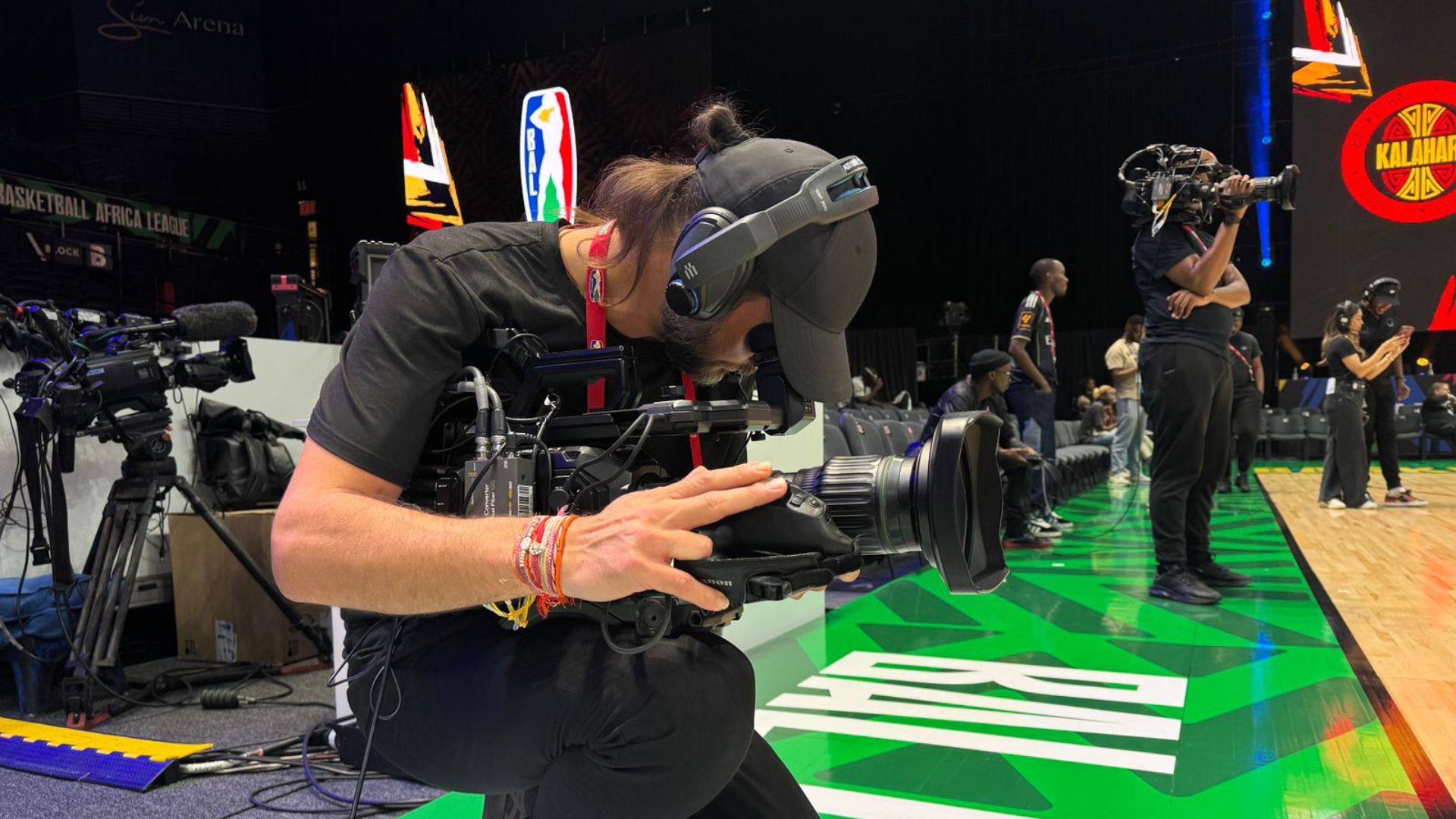
What Is Multicam Production and Why Does It Matter for Live Events
Multicam production South Africa explained — how it works, why it matters, and what separates broadcast-grade coverage from single-camera filming.
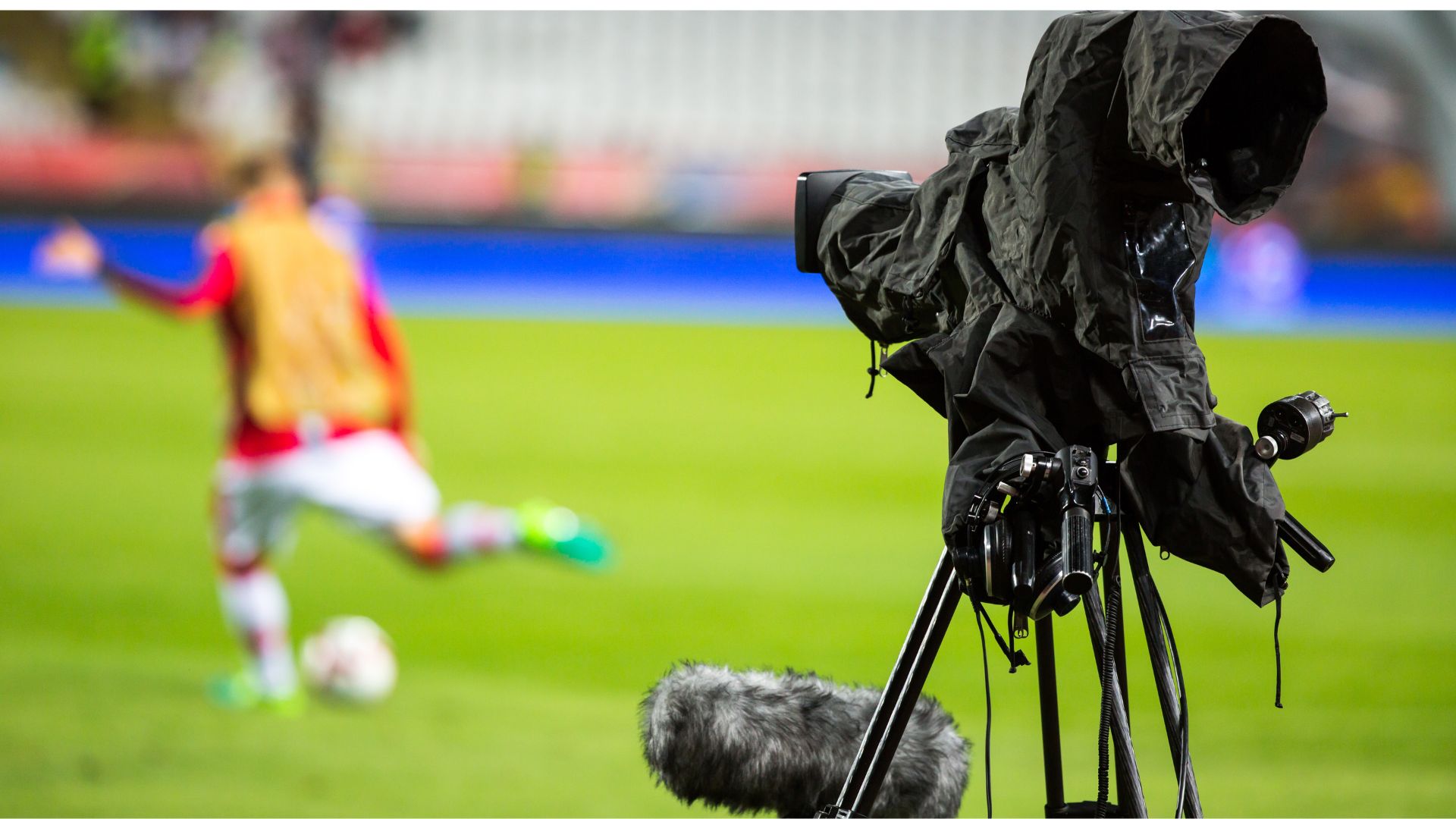
Sports Broadcasting in Cape Town and South Africa: What Rights Holders Should Look for in a Production Partner
Rights holders, federations and leagues are commissioning their own broadcasts — the quality of production now determines the value of the rights themselves.