· 9 min read
What Is Multicam Production and Why Does It Matter for Live Events
Multicam production South Africa explained — how it works, why it matters, and what separates broadcast-grade coverage from single-camera filming.
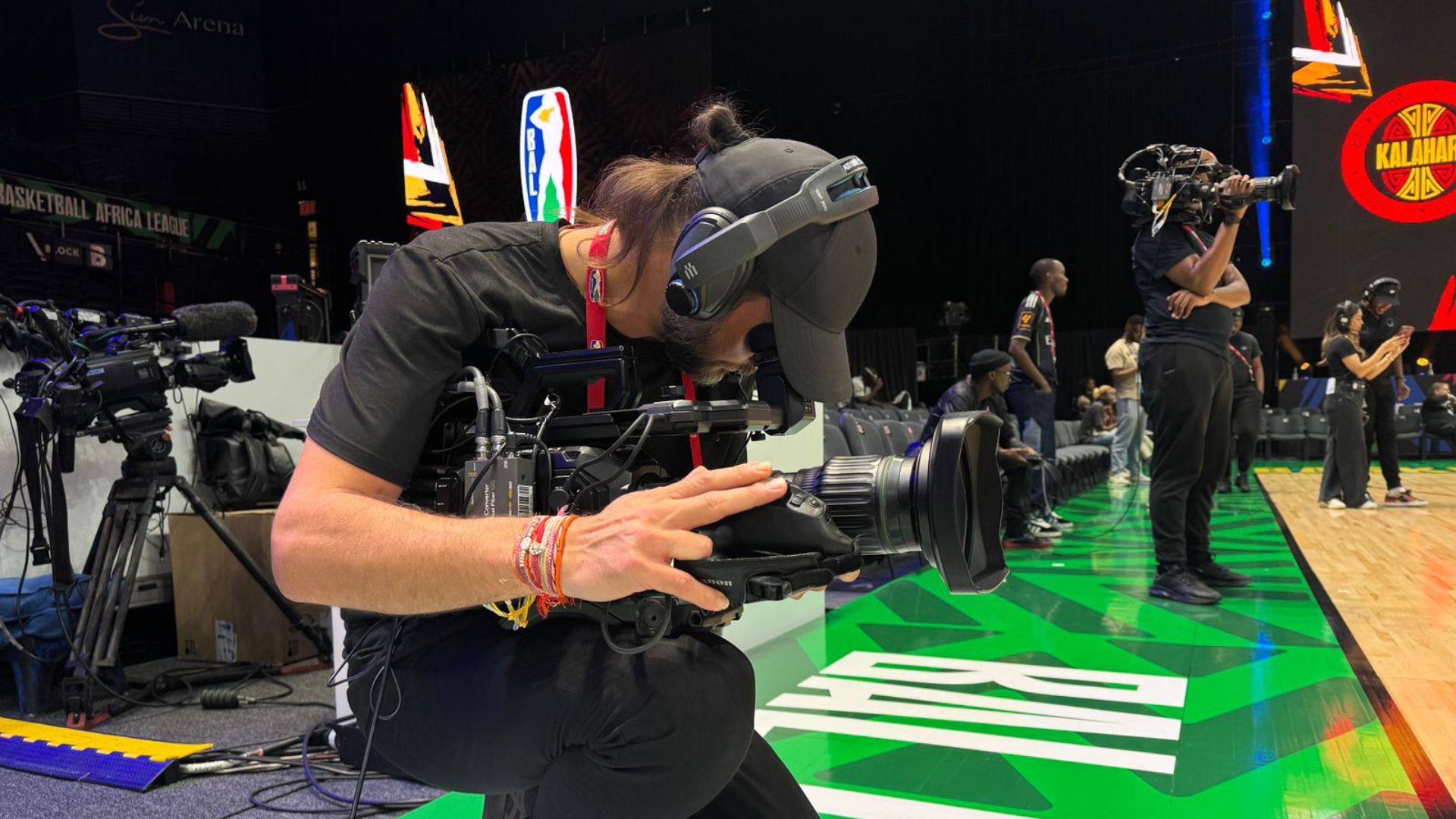
Multicam production South Africa is the standard behind every major live event you have ever watched and thought looked effortless. The seamless cut between the wide stage shot and the close-up on a speaker's face, the instant switch to the audience reaction, the programme that flows without a single dead moment, none of that happens by accident. It is the result of a specific production method that most event planners have never had explained to them.
This guide covers what multicam production is, how it works in practice, and why it produces a result that single-camera coverage simply cannot replicate. If you are planning a large-scale live event in South Africa, this is the production model you need to understand.
What Is Multicam Production?
Multicam production is a method of filming a live event using multiple cameras simultaneously, all feeding into a central vision mixing system where a director selects and switches between shots in real time. The result is a live-edited programme, broadcast-ready from the moment it is captured.
As Links Broadcast explains, multicam production has become standard across sporting events, concerts, news broadcasts, film premieres, corporate events, and conferences because it captures multiple angles simultaneously, creating dynamic coverage that single-camera shooting cannot achieve.
In a multicam setup, each camera covers a specific element of the event: the wide stage shot, the speaker close-up, the audience reaction, the presentation screen, the roving floor shot. A vision director, watching all feeds at once on a bank of monitors, calls the cuts live, building the programme in real time as the event unfolds.
How Multicam Production Works
The Camera Setup — Each camera in a multicam production covers a designated zone or shot type. Fixed cameras take wide and medium shots of the stage. Roving cameras follow the action across the floor. Specialist cameras capture close-ups, reaction shots, and details that would otherwise be missed. Together, they provide complete visual coverage of the event from multiple simultaneous perspectives.
The Vision Mixer — The vision mixer, also called a vision switcher or production switcher, is the heart of the operation. All camera feeds run into it simultaneously. The director uses the switcher to select which feed goes to the programme output at any given moment, cutting between shots in real time to build a coherent, engaging programme. Consequently, the output is a live-edited master, not raw rushes that require extensive post-production.
The Director — The multicam director is the creative and editorial engine of the production. They watch every camera feed simultaneously, call the shots, manage the pacing, and make split-second editorial decisions that determine what the audience sees. Without a skilled director, a bank of cameras is just a bank of cameras. With one, a live event becomes a broadcast.
Audio — Professional multicam production always includes a dedicated audio setup. This means a separate audio engineer managing a sound desk independently from the cameras, not a microphone mounted on a camera trying to pick up whatever it can. Clean, well-mixed audio is as important as the picture, and in broadcast production it is treated as an equal discipline.
Multicam Production vs Single-Camera Coverage
The distinction matters enormously for live events, and it is worth being direct about it.
What Single-Camera Coverage Produces — A single camera can be in one place at one time. It captures one angle. At a live event, that means choosing between the wide shot and the close-up, between the speaker and the audience, between the stage and the screen. As Ikan's guide to single vs multicam production notes, single-camera workflows demand more in post-production and depend on precision planning to avoid missing key coverage, and in live events, there are no second takes.
What Multicam Production Delivers — Multicam production captures everything simultaneously. Nothing is missed. The programme is built live, which means the output is broadcast-quality from the point of capture. Post-production is faster, the content is more dynamic, and the finished product reflects the full energy of the event, not a single-angle record of it.
According to DMV Productions, multicam production also offers built-in redundancy: if one camera encounters a technical issue, others are rolling. No moment is lost. For a live event with no second take, that redundancy is not a luxury, it is essential.
Why Multicam Production Matters for Live Events in South Africa
South Africa's live event market has grown significantly in scale and ambition. International artists perform in Johannesburg and Cape Town. Global brands launch products at large-format conferences. Corporate clients broadcast town halls and summits to remote audiences across the continent. In every one of these contexts, the production model determines the quality of the output.
A single operator with one camera cannot meet the coverage requirements of a major live event. The stage is too large, the action too fast, the visual elements too varied. Moreover, when that footage is distributed, to a streaming audience, a sponsor, a media outlet, a social channel, the limitations of single-camera coverage are immediately apparent.
Multicam production South Africa operates at the same technical standard as international broadcast. AVIXA's 2025 Industry Outlook forecasts the global pro-AV industry will continue to grow through 2030, driven in part by rising expectations for live event production quality. South Africa is not behind that curve. The standard is here.
What Multicam Production Looks Like at Mushroom Motion
Mushroom Motion has been delivering multicam production in South Africa since 2010. Every production deploys the company's own broadcast-grade equipment: multiple cameras, a full vision mixing setup, a dedicated audio rig, and a director who has done this hundreds of times.
That is the infrastructure behind productions for Beyoncé, Travis Scott, Netflix, Kevin Hart, and Volkswagen. It is the same infrastructure available to corporate clients, event planners, and brands commissioning live event coverage across South Africa. The full range of production services reflects what a properly resourced multicam operation looks like in practice.
The Mushroom Motion equipment inventory is owned outright and deployed on every production. There are no rental dependencies, no unfamiliar kit, and no compromises on the day.
Frequently Asked Questions
What is multicam production? Multicam production is a live filming method that uses multiple cameras simultaneously, all feeding into a central vision mixing system. A director switches between camera feeds in real time to build a broadcast-quality programme as the event unfolds. It is the standard production model for live television, concerts, large-scale corporate events, and conferences.
How is multicam production different from single-camera filming? Single-camera filming captures one angle at a time. At a live event, this means choosing between coverage options, and inevitably missing others. Multicam production captures all angles simultaneously, building a live-edited programme with complete coverage. The output is fundamentally more dynamic, more complete, and more suitable for broadcast and distribution.
How many cameras does a multicam production use? It depends on the scale and format of the event. A corporate conference with a main stage and a panel might use three to five cameras. A large-scale concert or arena event requires significantly more. The camera count is determined by the coverage requirements of the specific event, not a fixed formula.
Do I need multicam production for my event? If your event has a live audience, multiple visual elements, a streaming or broadcast distribution requirement, or footage that will be used for marketing and media purposes, multicam production is the appropriate model. Single-camera coverage is suitable for interviews, testimonials, and controlled environments with a single subject. For anything larger, the limitations become significant.
Where does Mushroom Motion deliver multicam production in South Africa? Mushroom Motion is based in Johannesburg with a Cape Town office and has Pan-African reach. Productions are delivered across South Africa and across the continent. The company's equipment and crew travel with every job.
See What Multicam Production Looks Like in Practice
Mushroom Motion is South Africa's multicam broadcast specialist. Founded in 2010. Own equipment. A production history that includes the world's most demanding live events.
Ready to discuss your event? Get in touch with the team and tell us what you're planning.
Explore More
- Our video production services — multicam, live streaming, conference and concert coverage.
- See our recent work — selected broadcast, concert and brand film projects.
- Get in touch — brief the Mushroom Motion crew on your next production.
Related Services
Live Music & Entertainment
Multicam concert and live music video production South Africa — broadcast switching, IMAG, live streaming and same-day aftermovies.
Conferences & Corporate Events
Multicam conference filming, keynote capture, live streaming and corporate video production across Johannesburg, Cape Town and pan-African venues.
Sports Broadcasting
Live multicam sports broadcasting South Africa — match-day production, live streaming and highlight packages for federations and rights holders.
Related Articles
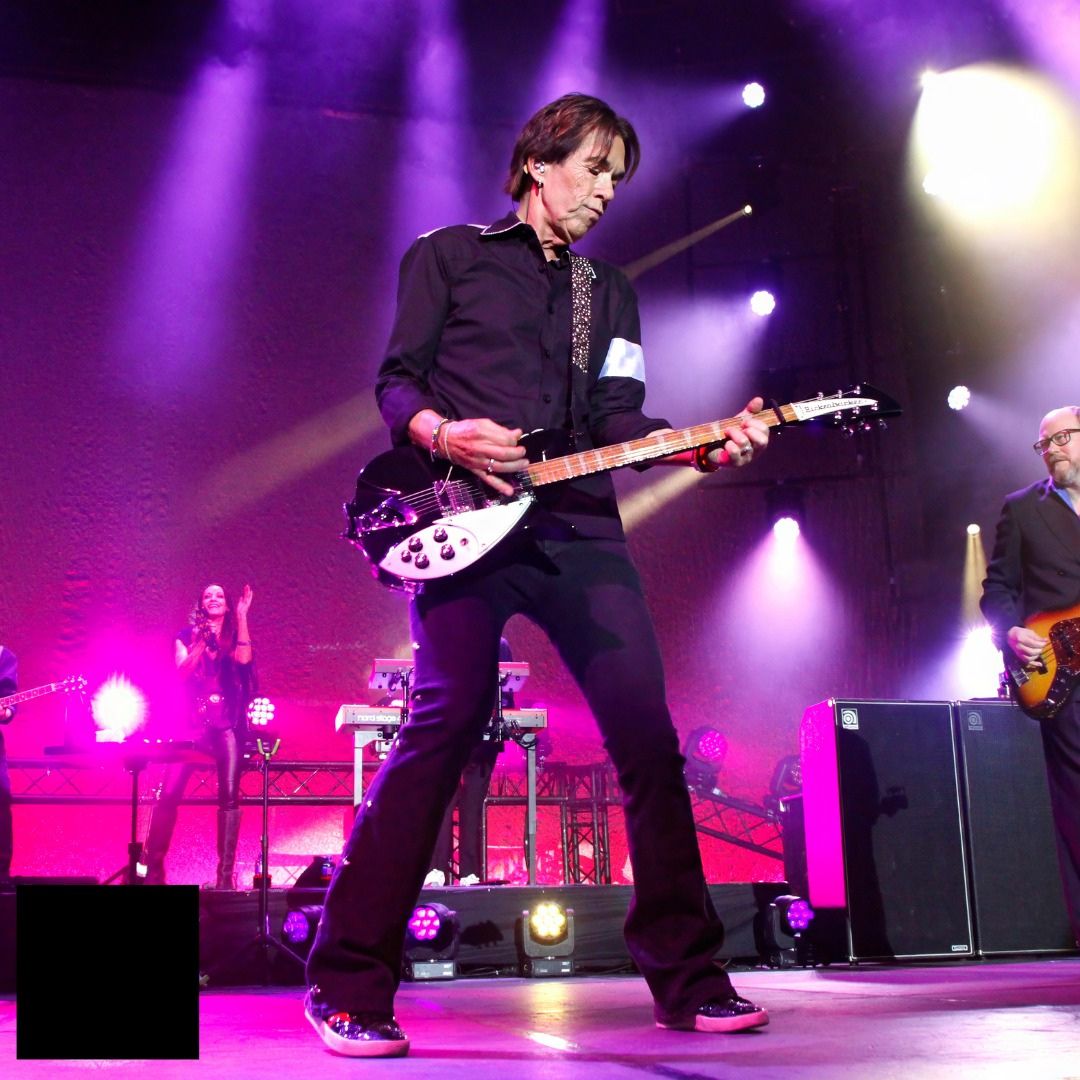
Multicam Concert Production: Why One Camera Is Never Enough
Multicam concert production is the broadcast standard for live music events of scale. Here is why a single camera cannot tell the full story, and what a professional multicam production delivers.
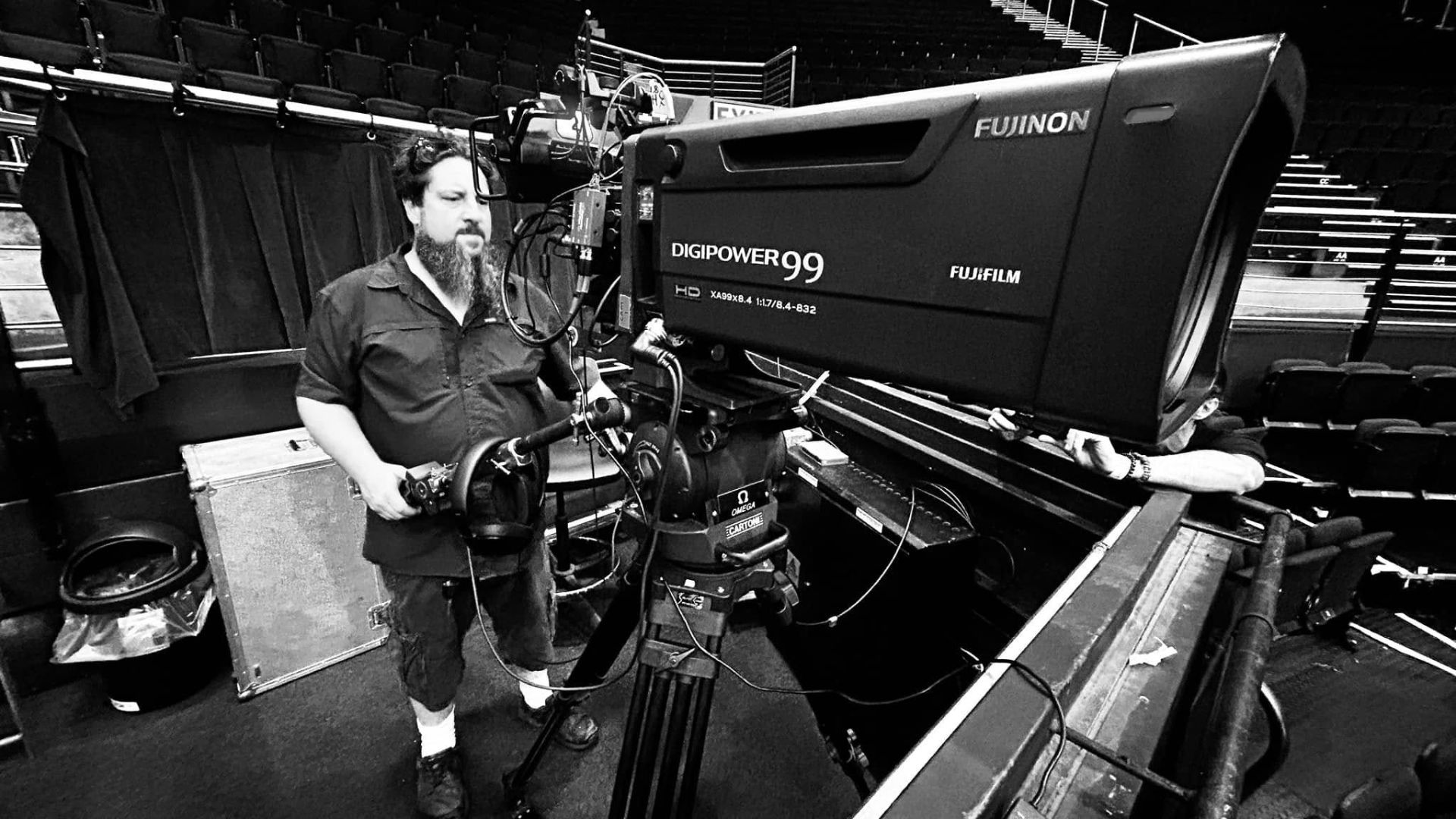
What to Expect From a Broadcast Camera Crew at Your Live Event
Crew roles, pre-production, on-the-day process and the warning signs — what a professional broadcast camera crew actually does at a live event in South Africa.