· 10 min read
Live Streaming for Hybrid Corporate Events: A Practical Setup Guide
Hybrid corporate events run two productions at once — the room and the stream. Here's the technical stack, redundancy and planning that keeps both broadcast-grade.
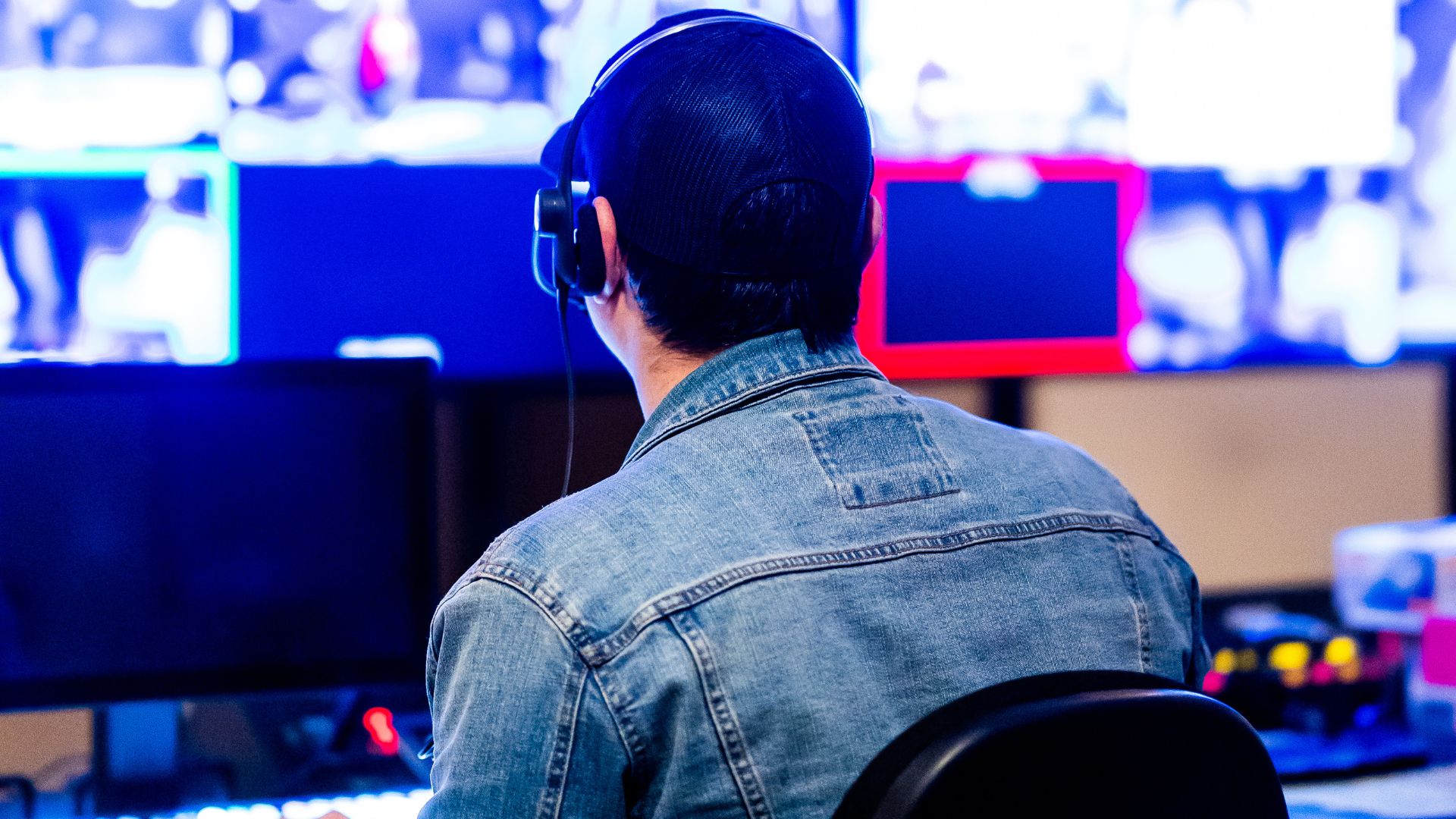
Hybrid corporate events are now standard practice. A live audience in the room, a remote audience on screen, and a production team responsible for delivering a broadcast-quality experience to both simultaneously. The live streaming component of a hybrid corporate event in South Africa is where most things go wrong — and where most planning falls short.
This guide covers what a proper hybrid event live streaming setup actually involves: the technical stack, the redundancy requirements, and the difference between a production team that has done this at broadcast level and one that has not.
What Makes a Hybrid Event Different From a Standard Live Stream
A standard live stream sends a single video feed to a remote audience. A hybrid corporate event runs two parallel productions simultaneously: the in-room experience and the virtual broadcast. Both audiences need to feel like the event was designed for them. Neither should be an afterthought.
Consequently, the technical and creative demands of a hybrid production are categorically higher than either a fully in-person or fully virtual event. You are managing multicam video capture, live switching, a broadcast audio feed, encoding hardware, streaming infrastructure, and the in-room AV system — all at the same time, with no second take.
Organisations that treat virtual streaming as an afterthought — a single camera pointed at the stage with a link emailed to remote attendees — consistently produce inferior experiences that damage the brand rather than extend it.
Multicam Video Capture
The virtual audience experiences your event entirely through the video feed. A single static camera produces flat, disengaging footage within minutes. A professional hybrid production uses a minimum of three to five cameras: a wide establishing shot, a speaker close-up, a presentation feed, an audience reaction camera, and a roving camera for panel sessions and dynamic coverage.
A dedicated stream director switches between these feeds in real time, building a broadcast-quality programme for the remote audience. That live-switched output — with graphics overlays, speaker names, session titles, and sponsor branding composited in — is what separates broadcast production from a camera on a tripod.
Broadcast Audio
The virtual audience hears your event through their speakers or headphones. Room audio, optimised for a physical space, does not translate cleanly to a broadcast feed. A professional hybrid setup includes a dedicated broadcast audio mix, separate from the in-room sound reinforcement system, managed by a dedicated audio engineer. Clean, balanced, broadcast-grade audio is not a detail. It is the difference between content that is usable and content that is not.
Encoding and Streaming Infrastructure
The video and audio output must be encoded and delivered to the streaming endpoint: YouTube, a private platform, a corporate intranet, or multiple simultaneous destinations. Hardware encoders are the broadcast standard for live events — more reliable than software encoding under sustained load, and purpose-built for the job. The encoding setup directly determines the quality and stability of what the remote audience receives.
Redundancy at Every Layer
This is the component most event teams underestimate until something fails. Hybrid events have zero tolerance for streaming failures. When the in-room AV drops, the audience waits. When the stream drops, virtual attendees leave — and most do not return.
Professional redundancy means dual internet connections from separate providers, backup encoding hardware, a secondary streaming endpoint, and a pre-recorded content library that can fill any gap. Furthermore, a bandwidth test at the venue, conducted 48 hours before the event under simulated load conditions, is essential. A venue's claim of “high-speed internet” is not a substitute for a verified upload test under the actual network load your production creates.
What to Plan Before the Event
Venue technical assessment: not all venues are built for live streaming. Before committing to a venue, confirm the available upload bandwidth, the location of network access points relative to the production position, and whether a dedicated connection can be provided for the production team separately from the venue's guest network. Shared venue WiFi is not a broadcast uplink.
Run-of-show and camera plan: the production team needs the run-of-show in advance. Every session, speaker, AV cue and transition should be mapped against a camera plan before the event begins. Multiple sessions, panel discussions and breakout content require deliberate camera placement and a production structure that has been thought through, not improvised on the day.
Platform and distribution planning: where is the stream going? A corporate intranet, a private YouTube link, a LinkedIn Live broadcast, or multiple simultaneous platforms? Each destination has different technical requirements, encoding specifications and audience access pathways. These decisions need to be made well in advance — not on the morning of the broadcast.
What Goes Wrong When Hybrid Live Streaming Is Underplanned
Single camera coverage that produces flat, disengaging footage for the remote audience. Venue internet that cannot sustain the upload bandwidth required for a clean broadcast stream. No backup connection, meaning a single ISP failure takes the entire stream down.
In-room audio routed directly to the stream without a broadcast mix, producing echoey or unbalanced sound. No dedicated stream director, meaning camera operators make their own switching decisions independently. Deliverables for the post-event recording left undefined, resulting in unusable or unedited footage.
What Mushroom Motion Brings to a Hybrid Event
Mushroom Motion has produced broadcast-quality live streaming and hybrid event coverage in South Africa since 2010. Every production deploys our own broadcast-grade equipment: multiple cameras, vision mixing infrastructure, hardware encoding, dedicated broadcast audio, and a stream director who manages the virtual output separately from the in-room production.
The same infrastructure used for arena broadcasts and Netflix productions is available for corporate hybrid events. That means the remote audience gets a broadcast experience, not a webcam feed. Our equipment inventory is owned outright and operated by a crew that works together across hundreds of productions per year — no rental dependencies and no unfamiliar kit on the day.
Frequently Asked Questions
What is hybrid event live streaming? It is the technical process of broadcasting a live in-person event to a simultaneous remote audience. A professional setup includes multicam capture, live switching, a dedicated broadcast audio mix, encoding hardware, streaming infrastructure and redundant connectivity.
How much bandwidth does a hybrid event live stream need? A single 1080p broadcast stream requires 5 to 8 Mbps of stable upload bandwidth. Multi-platform streaming to YouTube, LinkedIn and a private platform simultaneously can require 20 to 30 Mbps. A dedicated, hardwired connection from a separate ISP is always preferable to shared venue WiFi.
What is the difference between a live stream and a hybrid event broadcast? A basic live stream sends a single feed. A hybrid event broadcast treats the virtual audience as a first-class production output: multicam coverage, live switching, graphics overlays, a dedicated broadcast audio mix and a stream director managing the remote experience separately from the in-room AV.
What should I ask a production company? Ask how many cameras they deploy for the virtual feed, whether they use a dedicated stream director, what their backup plan is for internet failure, whether they provide hardware or software encoding, and what the deliverables are for the post-event recording.
Can Mushroom Motion stream to multiple platforms simultaneously? Yes. Our setup includes multi-destination streaming, delivering simultaneous output to YouTube, private platforms, corporate intranets and other endpoints. Platform requirements and destinations are confirmed during pre-production planning.
Explore More
- Our video production services — multicam, live streaming, conference and concert coverage.
- See our recent work — selected broadcast, concert and brand film projects.
- Get in touch — brief the Mushroom Motion crew on your next production.
Related Services
Live Streaming
Live streaming services in South Africa for conferences, concerts, sports and launches. Multi-camera switching, multi-platform delivery, redundant uplink.
Conferences & Corporate Events
Multicam conference filming, keynote capture, live streaming and corporate video production across Johannesburg, Cape Town and pan-African venues.
Related Articles
How to Hire a Conference Videographer in South Africa
What to look for when hiring a conference videographer in South Africa, the questions to ask before signing, and the mistakes that cost organisations dearly.
What Is Multicam Production and Why Does It Matter for Live Events
Multicam production South Africa explained — how it works, why it matters, and what separates broadcast-grade coverage from single-camera filming.