
· 8 min read
Why Your Event Shouldn't Need Five Different Content Suppliers
Multicam, IMAG, streaming, photography, social content and the aftermovie, often from five different suppliers. Here's what that costs your event, and what one coordinated team changes.
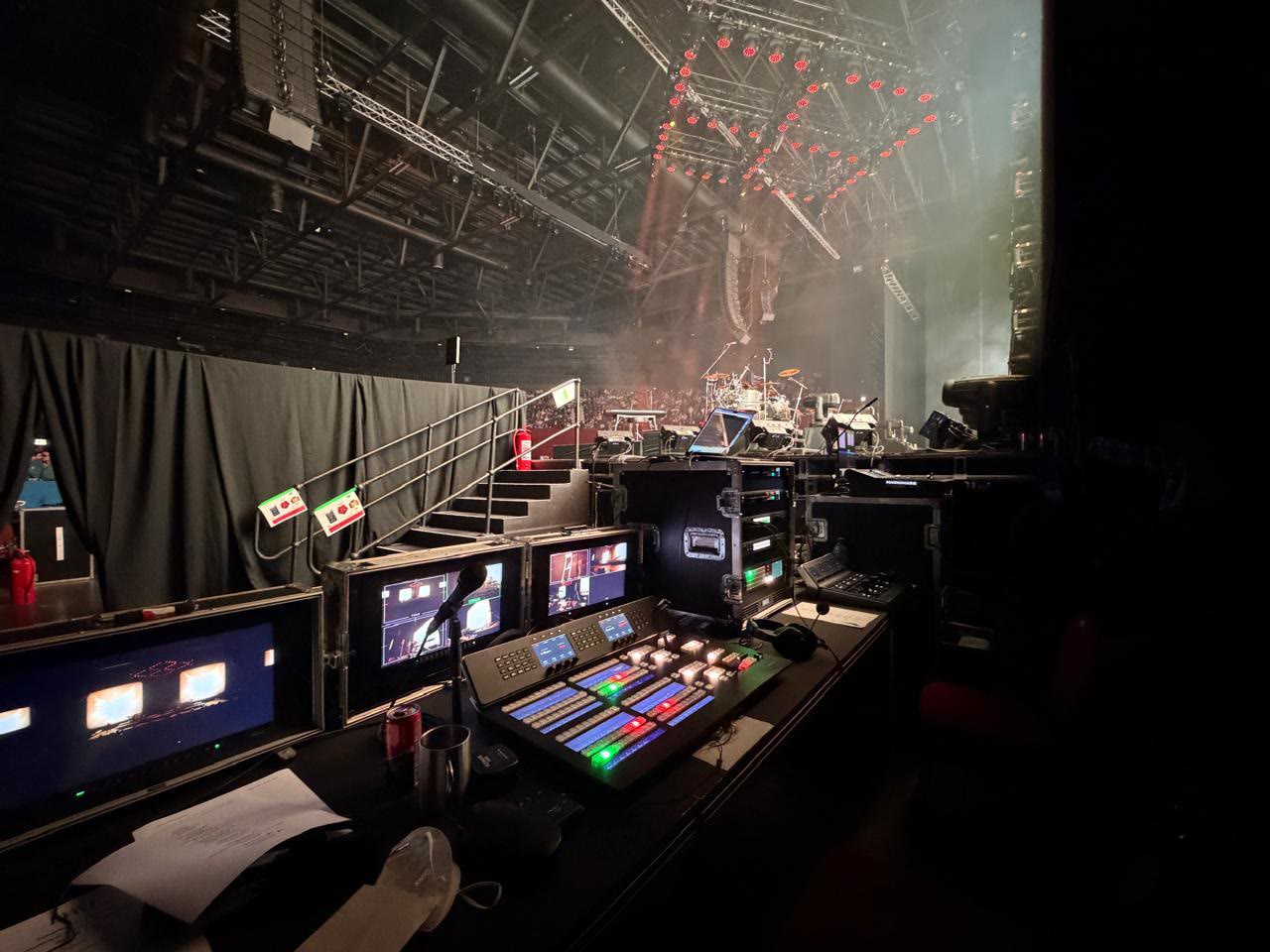
Look at the supplier list for a typical large event and count the visual content line items. A camera crew for the stage. An AV company feeding the IMAG screens. A streaming provider for the remote audience. A photographer. A social media team filming on their phones. An editor booked for the aftermovie two weeks later. Five or six suppliers, each with their own brief, their own kit, their own schedule and their own idea of what the event should look like.
This is how most event content production in South Africa is still done. It works, just about. But it carries costs that rarely appear on any single invoice, and it leaves value on the table that the event paid for and never collected. This guide looks at what fragmented content production really costs, what a single coordinated team does differently, and how to tell whether your next event would benefit.
The Hidden Cost of Too Many Suppliers
Communication. Every supplier needs a briefing, a run-of-show, a contact on the day and answers to the same questions. Changes to the schedule have to reach five teams instead of one. Something always gets missed.
Scheduling. Load-in times, power, positions, rehearsals and crew meals multiply with every supplier. Each team plans its own day, and the event production manager becomes the unpaid coordinator between them.
File transfers. After the event, footage sits on different drives, in different formats, with different frame rates and colour settings. The editor spends the first days of post-production gathering, converting and matching material before any real editing begins.
Responsibility. When something goes wrong on a live show, the question becomes whose problem it is. Is the IMAG feed dropping because of the camera, the switcher, the cabling or the screen supplier? Multiple suppliers means multiple answers, and none of them helps while the show is running.
Missed content. The photographer doesn't know the director is cutting to the CEO's reaction. The social team doesn't know the best angle is on camera three. Nobody is capturing the content the marketing team will ask for afterwards, because it was never anyone's job.
Inconsistent look. The stage feed, the stream, the photos and the aftermovie each look slightly different, because they were made by different people with different kit and different creative instincts. The event's visual identity fragments in the same way its supplier list did.
What One Coordinated Team Looks Like
The alternative is a single production team responsible for every piece of the event's visual content, working from one brief and one camera plan. The same footage flows through one workflow:
Multicam coverage of the stage, the speakers, the performers and the audience, directed live.
IMAG, the live-directed feed to the in-venue screens, cut from the same cameras.
Live streaming to remote audiences, using the same switched programme with its own broadcast audio mix.
Roaming cameras and photography, capturing the moments the stage cameras can't, briefed by the same director.
On-site editing, turning footage and photos into polished social content while the event is still happening.
The aftermovie and highlights, cut from material the team planned to capture from the start, not salvaged from whatever was filmed.
One point of contact. One crew that has worked together before. One look across every screen, stream, post and film.
From Brief to Final Edit: How It Works
1. One brief. We start with what the event needs to achieve and where every piece of content will end up: the screens in the room, the stream, social channels, sponsor reports, next year's marketing. Our guide to writing a video production brief shows what helps.
2. One plan. A single camera and content plan maps every position, every feed and every deliverable to the run-of-show, including who captures stills, who films for social and what the aftermovie needs.
3. One crew on the day. Cameras, IMAG, streaming, photography and editing run as one unit, on one comms system, under one director. When the schedule changes, one call updates everyone.
4. Content during the event. On-site editors receive footage and photos as the event unfolds, so social content goes out while people are still talking about it.
5. One delivery. Every file comes from the same team, in a consistent format and look, on an agreed timeline. Nothing to chase across five inboxes.
Who Benefits Most
Event production companies and agencies. You keep the client relationship and the creative lead. We take the full visual content load off your hands as one specialist partner, so you deal with one supplier instead of several. We're just as comfortable working alongside your existing AV and staging suppliers.
Brands and corporate event teams. Launches, conferences, year-end functions and sponsored events generate the most content value when it's planned from the start. One team means the content your marketing team needs afterwards is captured on purpose, not by luck.
Promoters and live entertainment. Concerts and festivals need IMAG for the audience, a stream or broadcast for those who aren't there, and content to sell the next show. One crew covers all three from the same camera positions. See our live music production work.
One Team Doesn't Mean Compromise
The fair question is whether one team can be specialist in everything. The answer is that these aren't separate disciplines; they're one workflow. The camera that feeds the IMAG screen is the camera that feeds the stream. The director cutting the live show knows exactly which moments the aftermovie will need. The specialisms remain: dedicated camera operators, a vision director, a broadcast audio engineer, photographers and editors. What changes is that they work from the same plan, on the same system, towards the same result.
That is how multicam broadcast production has always worked at the highest level. A world-class broadcast is never a collection of separate suppliers. It's one production.
What Mushroom Motion Brings
Mushroom Motion has delivered broadcast-grade live production in South Africa and across the continent since 2010, for concerts, sport, conferences and brand events. Every production runs on our own equipment, operated by a crew that has worked together across hundreds of live shows. That includes the latest addition to our kit, the Canon Digisuper 111 UHD and 90 UHD, the first 4K box lenses on the African continent.
We turn live events into broadcast, social and visual content through one coordinated production team: multicam, IMAG, live streaming, photography, roaming content, on-site editing and aftermovies. Cinema Looks. Broadcast Discipline.
Frequently Asked Questions
What is event content production? It's the planning and capture of all visual content at an event, from live multicam and IMAG for the screens in the room to live streaming, photography, social content and the post-event edit, ideally by one coordinated team.
Why use one supplier for event video, streaming and photography? One team means one brief, one plan and one point of contact. It removes the coordination load from your event team, keeps the look consistent across every output, and makes sure the content you need afterwards is captured on purpose.
Can you work with our existing agency or AV supplier? Yes. We regularly work alongside event production companies, agencies, and AV and staging suppliers. We can take on the full visual content scope or slot into an existing production team.
What is IMAG? IMAG (image magnification) is the live video feed shown on the large screens at a venue, so the whole audience can see the stage clearly. It's directed live from the same cameras that can feed the stream and the recording.
How soon after the event can we have content? With on-site editing, social-ready clips and photos can go out during the event itself. Highlight films and full recordings follow on a timeline agreed in the brief.
Planning an Event? Let's Talk
Whether it's a conference, a concert, a launch or live sport, tell us what your event needs to achieve and we'll show you how one team can deliver it, from the first camera position to the final edit. Get in touch.
Email: hello@mushroommotion.co.za
Phone: +27 82 441 0497
Explore More
- Our video production services — multicam, live streaming, conference and concert coverage.
- See our recent work — selected broadcast, concert and brand film projects.
- Get in touch — brief the Mushroom Motion crew on your next production.
Related Services
Conferences & Corporate Events
Multicam conference filming, keynote capture, live streaming and corporate video production across Johannesburg, Cape Town and pan-African venues.
Live Music & Entertainment
Multicam concert and live music video production South Africa — broadcast switching, IMAG, live streaming and same-day aftermovies.
Live Streaming
Live streaming services in South Africa for conferences, concerts, sports and launches. Multi-camera switching, multi-platform delivery, redundant uplink.
Related Articles
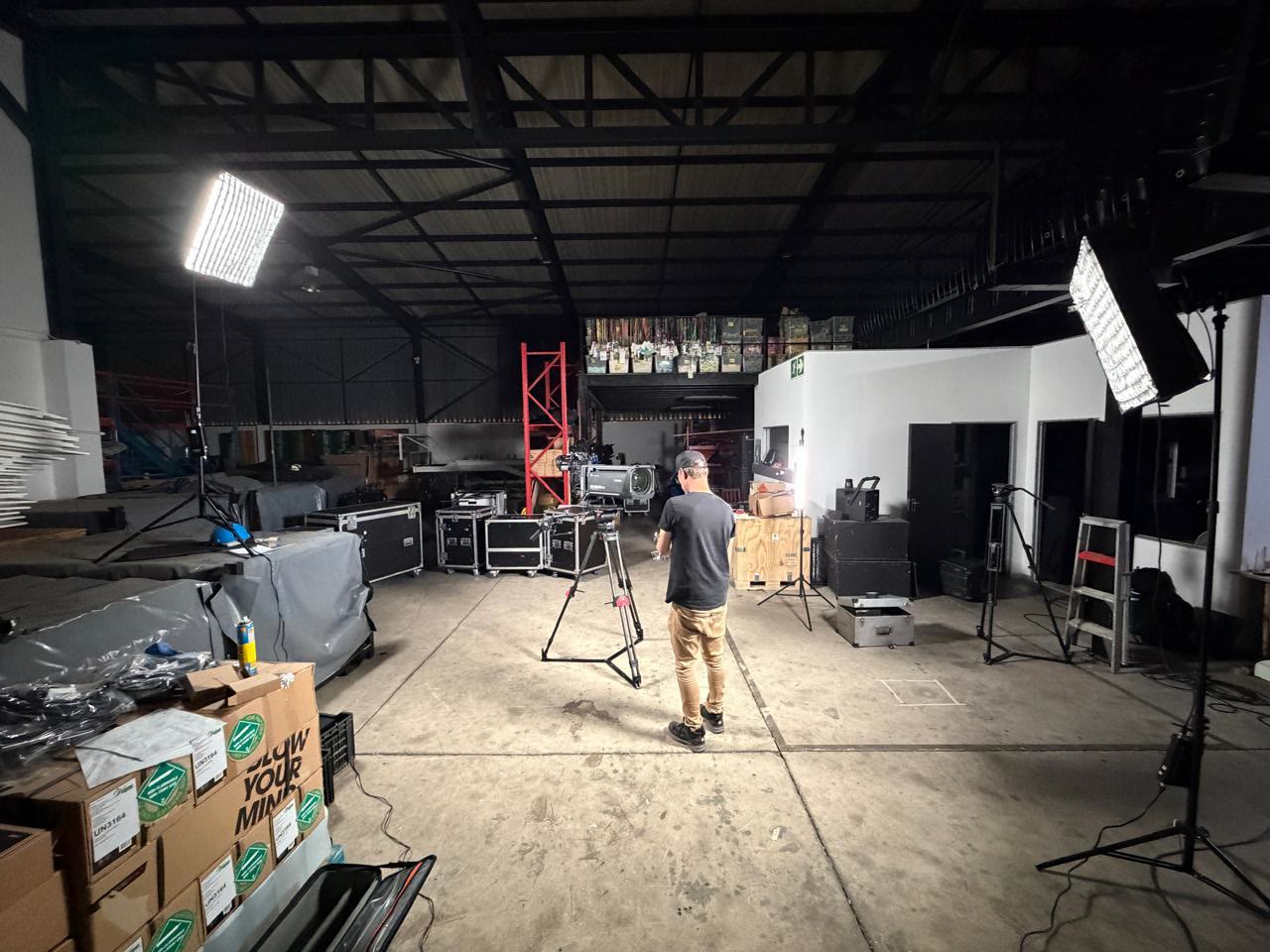
The First 4K Box Lenses in Africa: Canon Digisuper 111 UHD and 90 UHD Now Available to Hire
The Canon Digisuper 111 UHD and 90 UHD are the first 4K box lenses on the African continent. Here's what they do, who they're for, and how hiring them works.

What Should a Video Production Brief Include?
A tight brief saves days of revisions. Here's the structure we ask every client to send us before we quote.
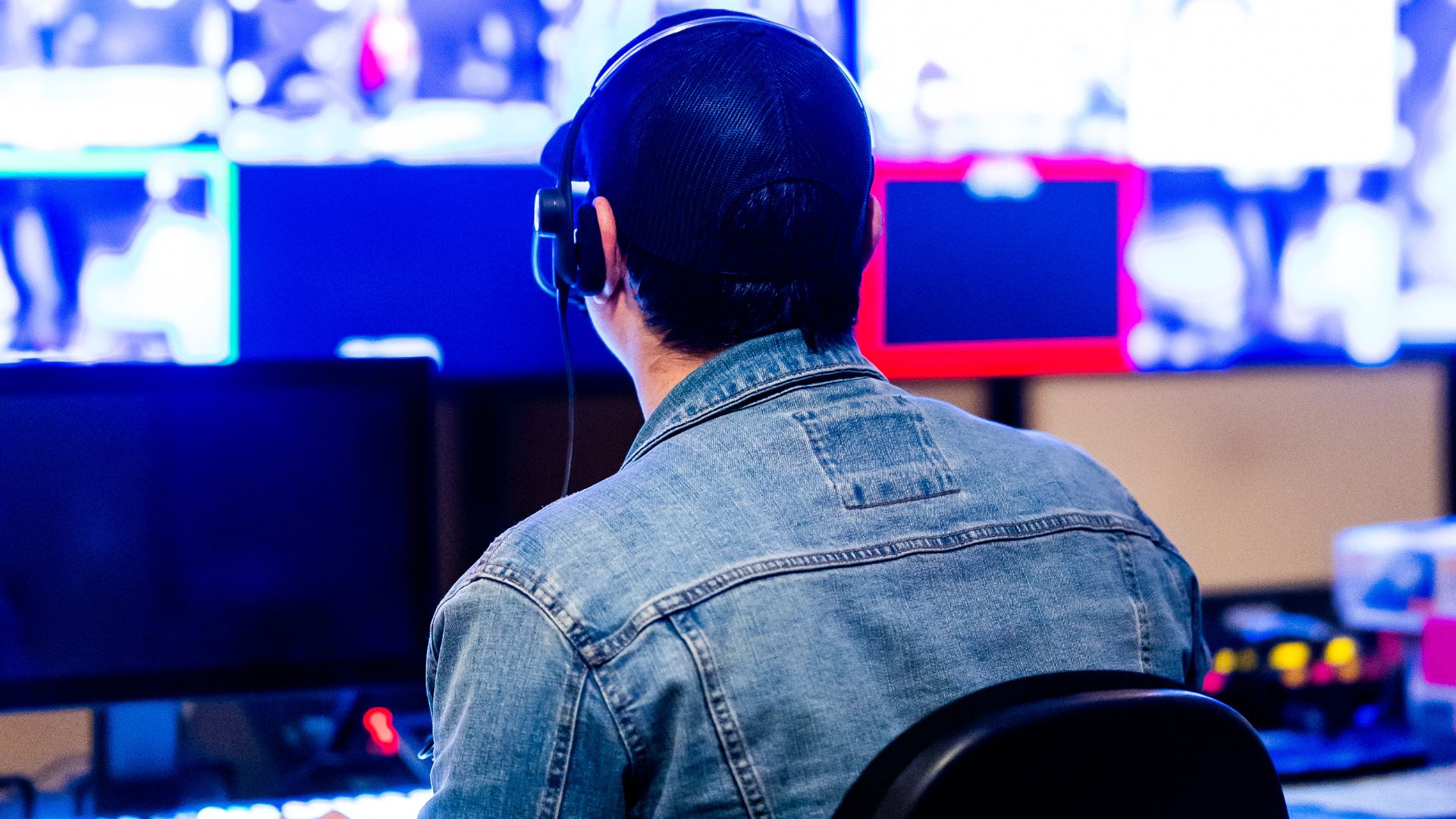
Live Streaming for Hybrid Corporate Events: A Practical Setup Guide
Hybrid corporate events run two productions at once — the room and the stream. Here's the technical stack, redundancy and planning that keeps both broadcast-grade.