
· 7 min read · Last reviewed: November 2026
Filming a Music Festival in South Africa: Multi-Stage Coverage, IMAG and the Aftermovie
A festival isn't one concert filmed for longer. It's several stages, a long day of changing light and a crowd that's part of the story. Here's how to plan coverage that works on the screens, the stream and the aftermovie.
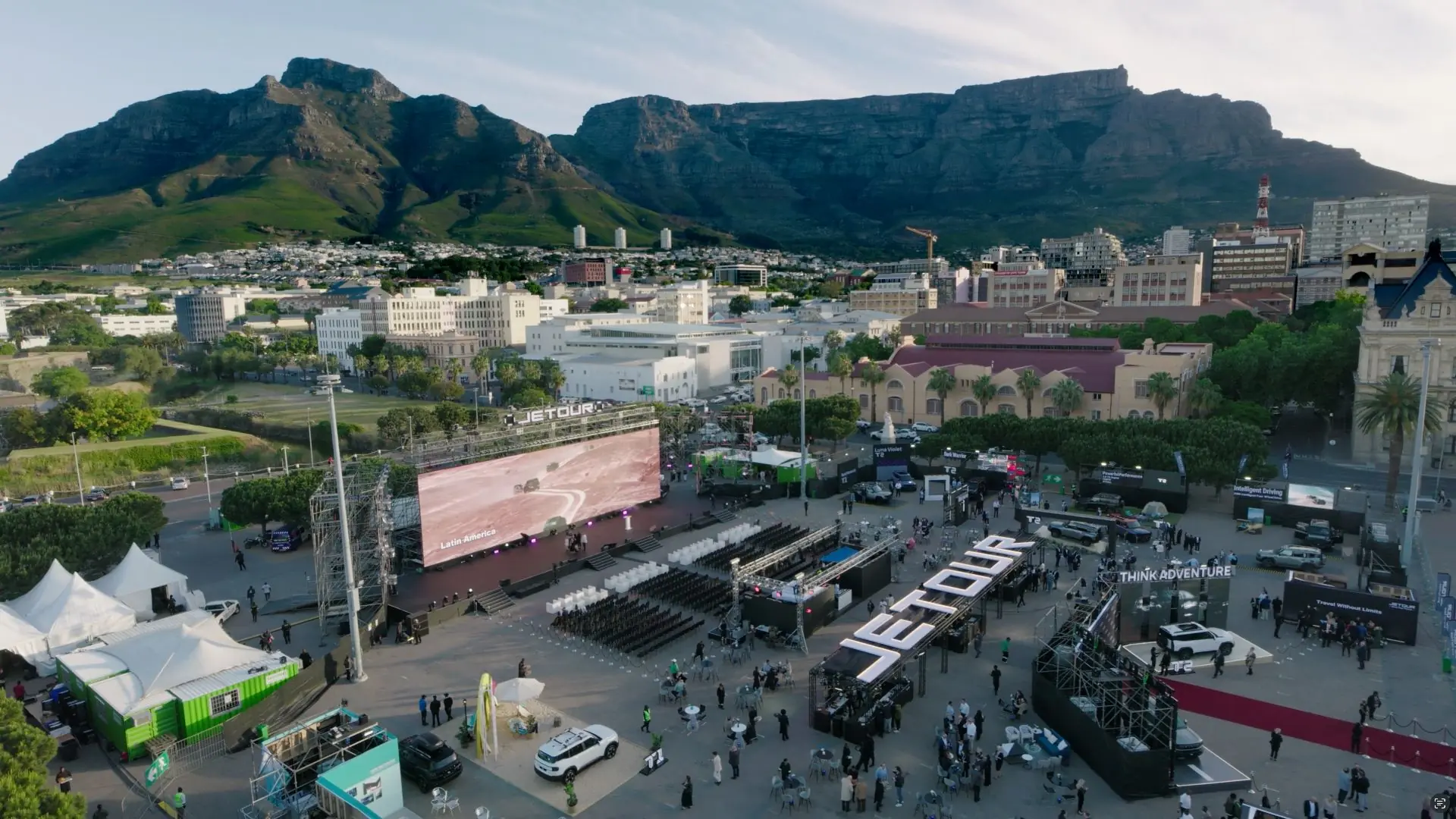
Filming a music festival in South Africa means planning for several stages, a long day of changing light and summer weather, while feeding the big screens live and capturing enough material for the aftermovie and social content. The festivals that get it right treat video as one production with one plan, not a set of separate crews.
Summer is festival season, and December and January are packed with shows from Gauteng to the Western Cape. Whether you're a promoter, a brand partner or part of an artist's team, this guide covers how festival coverage works and what to plan before the gates open.
Why a Festival Is Different From a Single Concert
At a single concert, the camera plan follows one stage and one headline set. A festival multiplies everything: more stages, more artists, more changeovers and a crowd that moves between areas all day.
The audience is part of the story too. Sponsors want their activations filmed, the promoter wants crowd energy for next year's marketing, and artists' teams may want their own sets recorded. One crew working from one plan is the most reliable way to serve all of them.
We explain why one camera is never enough at a live show in more detail elsewhere. At a festival, that principle applies to every stage.
Planning Coverage Stage by Stage
Start with a site map and the line-up, then decide what each stage needs to deliver. Not every stage needs the same level of coverage.
The Main Stage
The main stage usually carries IMAG (image magnification: the live, directed feed to the big screens) and any broadcast or live stream. That calls for a full multicam setup with a vision director cutting live: a long lens at front of house, cameras on either side of the stage, a handheld operator on stage and a wide shot that shows the size of the crowd.
On big sites, front of house can be a long way from the stage. A box lens (a large broadcast zoom lens built for long distances) holds tight close-ups from there. Mushroom Motion holds the Canon Digisuper 111 UHD and 90 UHD box lenses, the first 4K box lenses on the African continent.
Second Stages and Smaller Areas
Smaller stages rarely need live switching. One or two operators recording key sets, plus crowd and atmosphere shots, usually give the edit team what it needs.
Agree in advance which sets are priorities, so the crew isn't trying to cover everything at once.
Roaming Crews
Roaming camera operators and photographers capture what fixed positions can't: the gates opening, the food stalls, sponsor activations, golden-hour crowds and the walk between stages.
This material makes the aftermovie feel like the whole festival, not just the main stage.
Light, Heat and Weather
A summer festival can run from bright midday sun to a dark stage lit only by the show. Cameras need to be set up and matched for both, and the crew should know when the change happens so the look stays consistent through the day.
Weather belongs in the plan. Highveld festivals often face afternoon thunderstorms, and Western Cape sites can be hit by strong wind. Rain covers for every camera position, secured cable runs and a plan for pausing safely protect both the crew and the footage.
Heat matters too. Shade, water and rotating operators keep the crew sharp through a long day.
Artists, Rights and Approvals
Not every artist allows every set to be streamed or recorded. Headline acts, especially international artists, often have their own requirements for what can be filmed, how it's used and who signs off the edit.
Collect these requirements from the artist agreements early and share them with the video team. The director then knows which sets can go to the stream, which are for the screens only and which can appear in the aftermovie.
What to Send Your Video Team Before the Festival
A clear brief saves hours on the day. Before load-in, share these with your video team, ideally a few weeks before the festival:
The site map, with stage positions, front-of-house locations, power and the production office.
The final line-up and set times, with the priority sets marked for each stage.
Artist filming and streaming requirements from the agreements.
Sponsor commitments: which activations, logos and moments must be captured, and for which reports.
The outputs you need, such as IMAG, the stream, the aftermovie, social clips and full recordings, and when each one is due.
Live Streaming the Festival
A stream takes the festival to people who couldn't get a ticket and gives sponsors a bigger audience. It can use the same main stage cameras as IMAG, with its own audio mix so it sounds right on a phone or TV, not just in the field.
Plan connectivity early, because festival sites are often far from fixed internet lines. Our live streaming service uses multi-camera switching with bonded-cellular failover (several mobile connections combined as a backup).
Planning the Aftermovie From Day One
The aftermovie is often the most valuable piece of content a festival produces. It sells next year's tickets and gives sponsors something to share. The best ones are planned before the event, not salvaged from whatever was filmed.
Agree on the story with your director: the arrival, the build through the day, the headline moment and the crowd. Make a shot list of the sponsors and moments that must appear.
With editors on site, short social clips can go out during the festival, while the aftermovie follows on an agreed timeline. Our post on one coordinated event content team explains how this works in practice.
Festival Experience at Mushroom Motion
Mushroom Motion has delivered broadcast-grade live production in South Africa and across the continent since 2010. Festival and event names on our client list include Hey Neighbour, Joburg Day, Calabash 25 and Global Citizen, and we've produced for artists including Kendrick Lamar, Travis Scott, Maroon 5 and Robbie Williams.
Our live music and entertainment team runs multicam, IMAG, live streaming, roaming content and the edit on our own equipment, with a crew that has worked together across hundreds of live productions.
Planning a Festival?
Tell us your site, stages, dates and what the content needs to do, and we'll put together a camera plan for the whole festival. Get in touch to start planning.
Frequently Asked Questions
How many cameras do you need to film a music festival?
It depends on the number of stages and outputs. A main stage with IMAG and a live stream needs a full multicam setup with a vision director, while smaller stages can be covered by one or two operators recording key sets, plus roaming crews for crowd and atmosphere.
What is IMAG at a festival?
IMAG (image magnification) is the live, directed video feed shown on the big screens beside the stage, so the whole crowd can see the artist clearly. It's cut live from the same cameras that can feed a stream and the recording.
Can a music festival be live streamed?
Yes, if the artists' agreements allow it. The stream can use the main stage cameras with a separate audio mix, and it needs a connectivity plan because festival sites are often far from fixed internet lines.
When should we plan the festival aftermovie?
Before the festival. Agreeing on the story and a shot list with the director in advance means the crew captures the moments, sponsors and crowd shots the aftermovie needs.
Explore More
- Our video production services — multicam, live streaming, conference and concert coverage.
- See our recent work — selected broadcast, concert and brand film projects.
- Get in touch — brief the Mushroom Motion crew on your next production.
Related Services
Live Music & Entertainment
Multicam concert and live music video production South Africa — broadcast switching, IMAG, live streaming and same-day aftermovies.
Live Streaming
Live streaming services in South Africa for conferences, concerts, sports and launches. Multi-camera switching, multi-platform delivery, redundant uplink.
All Services
Live music, corporate events, film, TV, advertising and sports broadcasting video production by a specialist South African crew.
Related Articles
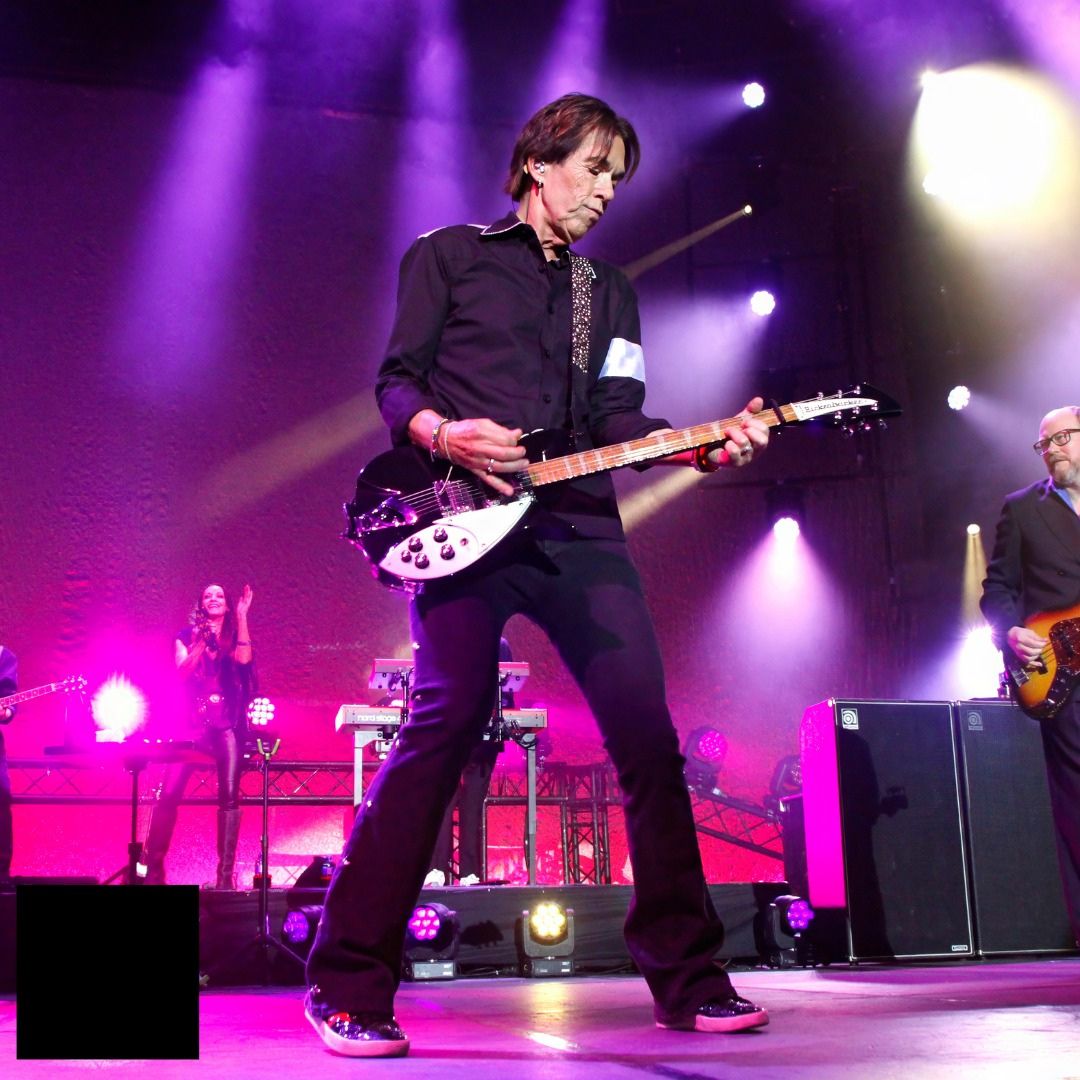
Multicam Concert Production: Why One Camera Is Never Enough
Multicam concert production is the broadcast standard for live music events of scale. Here is why a single camera cannot tell the full story, and what a professional multicam production delivers.
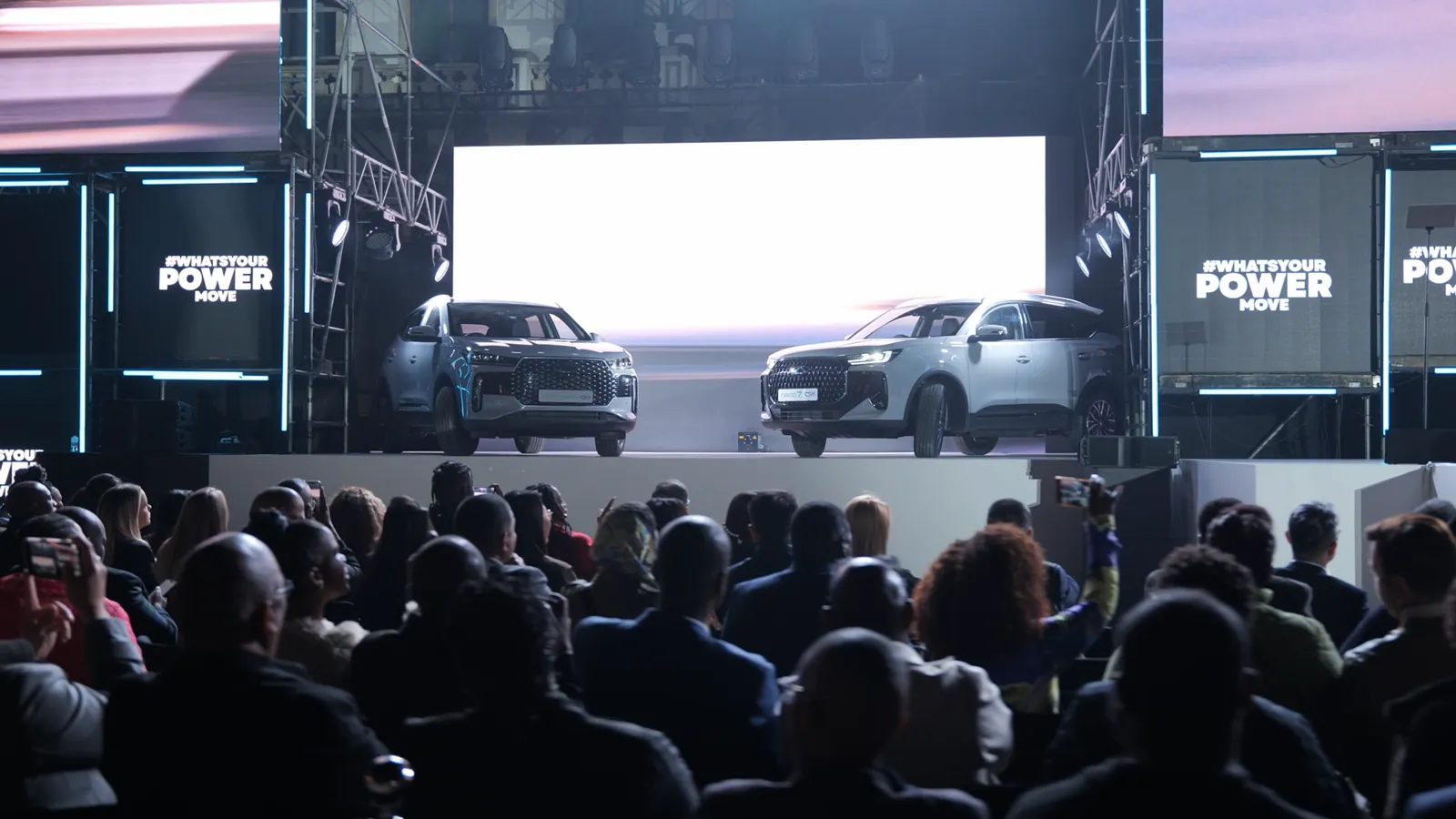
Concert Video Production Day: From Load-In to Live
A behind-the-scenes look at how Mushroom Motion moves a full multicam broadcast production from truck arrival to live show, phase by phase.
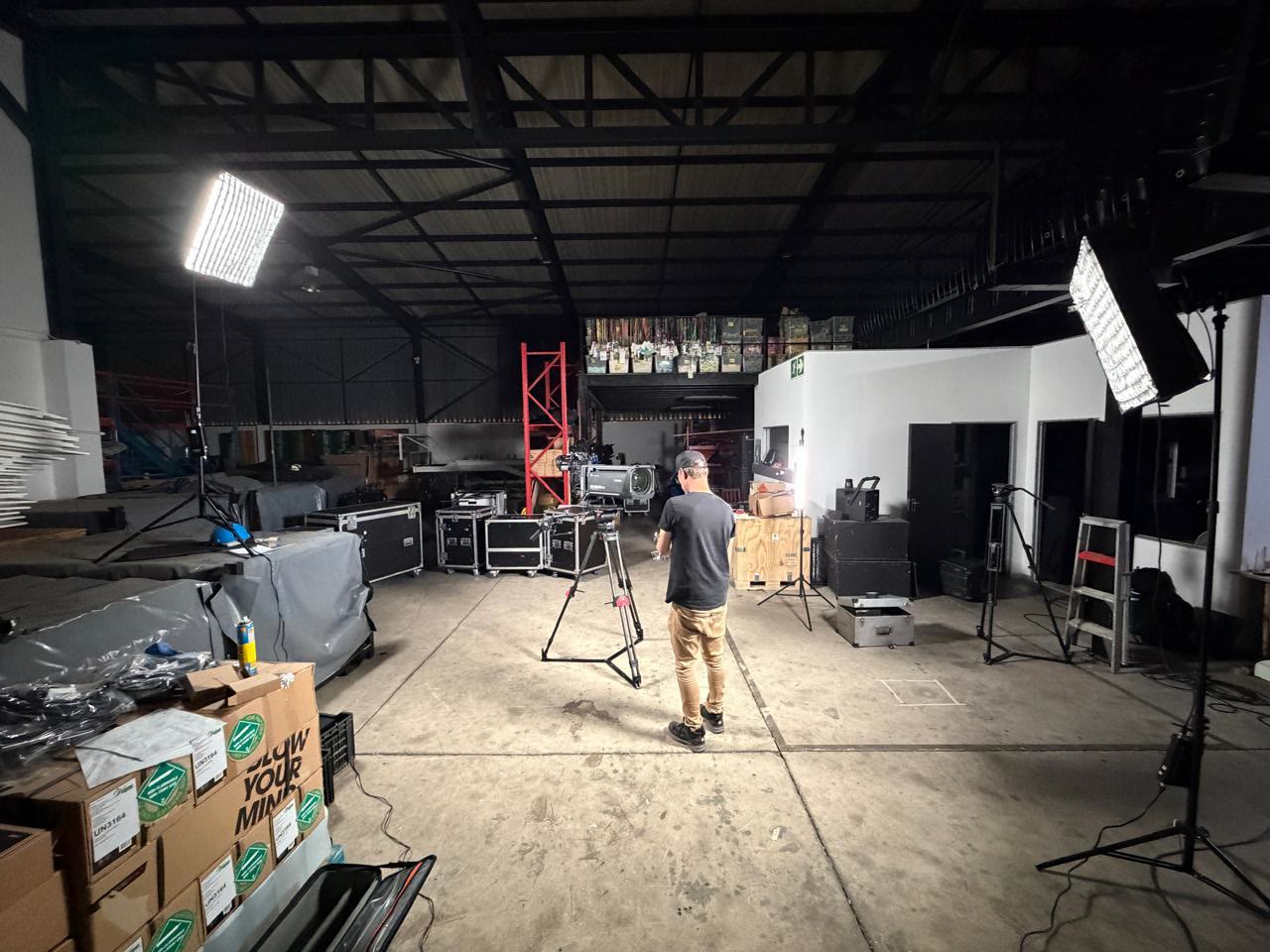
The First 4K Box Lenses in Africa: Canon Digisuper 111 UHD and 90 UHD Now Available to Hire
The Canon Digisuper 111 UHD and 90 UHD are the first 4K box lenses on the African continent. Here's what they do, who they're for, and how hiring them works.